
Most home repairs that cost homeowners thousands of dollars started as a $20 fix that nobody got around to. A cracked piece of caulk around a window becomes a water intrusion problem. A gutter full of leaves becomes a flooded basement. A furnace that needed a filter change becomes a full system replacement in January.
Most homeowners are reactive, not proactive when it comes to home maintenance. This guide is designed to change that. Below is a practical, season-by-season home maintenance checklist built for American homeowners — organized so you know exactly what to tackle and when, without spending every weekend doing it.
Homeowners spend an average of $4,283 each year on property upkeep and repairs. A lot of that spending is avoidable. The tasks in this checklist are not glamorous, but they are the ones that keep the expensive emergencies from showing up.
How to Use This Checklist
Each season covers the tasks that actually matter for that time of year. Some take 10 minutes. Some take a weekend. A handful need a professional. The list is organized so you can work through it over a couple of weekends per season rather than trying to do everything in a single day.
A few tasks appear in every season — smoke detectors, HVAC filters, and a quick walk around the exterior. Those aren’t listed four times, but they should be on your mental checklist year-round.
Spring Home Maintenance Checklist
Spring is the most important maintenance season for most homes. Spring is the number one season for water damage claims. Melting snow, clogged gutters, and cracked foundations combine to cause basement flooding, mold growth, and structural rot. Getting ahead of these in March and April prevents a lot of summer headaches.
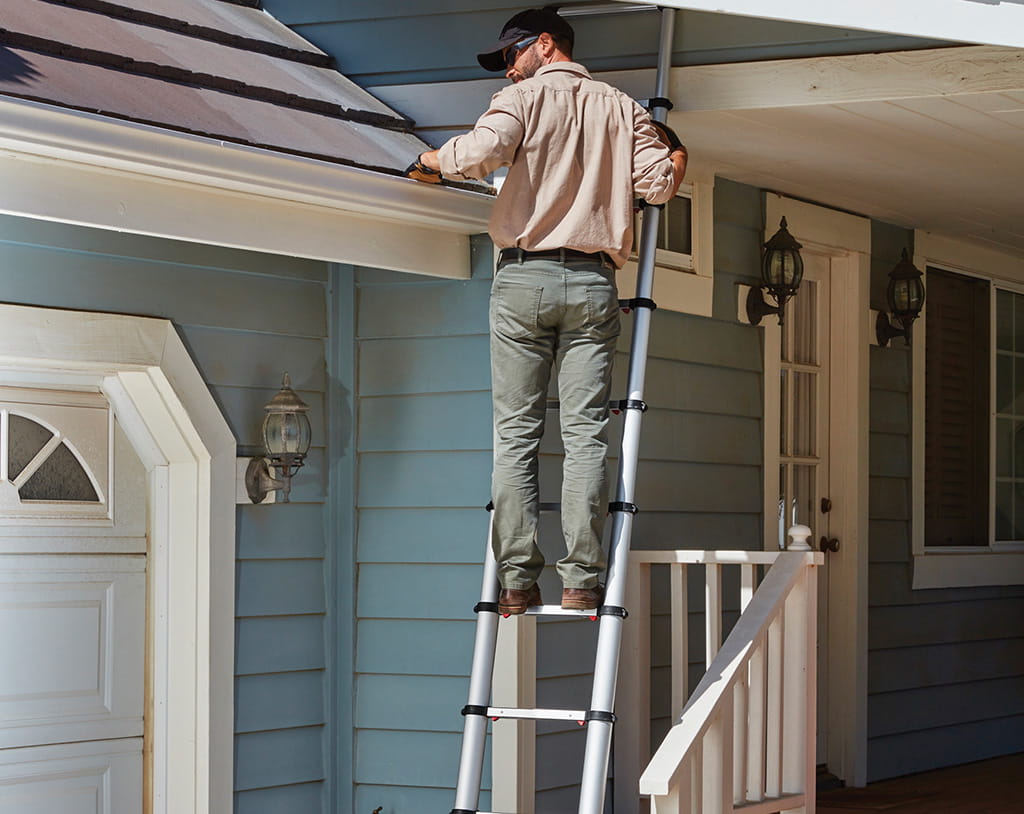
Clean the Gutters and Downspouts
Clear winter debris so spring rains drain properly. Overflowing gutters cause fascia rot and foundation erosion. Most homeowners need to clean gutters at least twice a year — spring and fall.
While you’re up there, check that downspouts are directing water at least four to six feet away from the foundation. A $10 downspout extension does more to protect your basement than most waterproofing products.
Inspect the Roof
Book your roof inspection in early March. By April, every roofer in your area is booked out 3 to 4 weeks.
You don’t need to get on the roof yourself. Use binoculars from the yard and look for curling, cracked, or missing shingles. Check the flashing around chimneys and vents — these are the most common leak points. If you see anything questionable, call a roofer before rain season hits.
Check the Foundation for New Cracks
Look for new cracks larger than an eighth of an inch wide. Horizontal cracks or stair-step patterns in brick may indicate structural movement and need professional evaluation.
Small vertical hairline cracks are common and usually just settling. Wider cracks, horizontal cracks, or any crack where the two sides are at different heights deserve attention from a structural engineer or foundation specialist.
Service the Air Conditioning Before Summer
Your HVAC system should be serviced twice yearly, typically in spring and fall. Spring and fall maintenance prepare your home for summer and winter weather. Scheduling HVAC service early ensures availability before the busy season.
A spring AC tune-up typically runs $75 to $150 and includes checking refrigerant levels, cleaning the coils, and confirming the system can handle summer load. It’s the kind of thing that feels optional until the AC dies at 95 degrees in July.
Also swap out the air filter if you haven’t in the last month or two.
Check the Exterior for Winter Damage
Walk the entire perimeter of your home with fresh eyes. Look at the siding for cracks, warping, or areas where the caulk has pulled away. Check windows and doors for failed weather stripping. If you notice cold air drafts around closed windows and doors, consider replacing the weather stripping. Hold a lit candle along your windows, baseboards, and entryways — if the flame flickers, you’ve found a draft.
Power Wash Siding, the Deck, and Walkways
Remove mold, mildew, and grime from the previous year. Inspect the deck for popped nails, splintered boards, and wobbly railings — these are safety issues and also affect curb appeal.
If the deck hasn’t been sealed in the last two or three years, this is the time to do it. A can of deck sealant costs $30 to $60. Replacing rotted deck boards costs considerably more.
Check Exterior Grading and Drainage
Soil should slope away from the foundation at a grade of about 6 inches over the first 10 feet. Regrading now prevents basement flooding later.
If soil has settled toward the house over the winter, add topsoil and slope it away. This is one of the cheapest and most effective ways to prevent water damage.
Summer Home Maintenance Checklist
Summer maintenance is less about emergency prevention and more about keeping systems running efficiently and catching exterior issues before fall. Summer is a good time to tackle DIY home improvement projects and external fixes while the weather cooperates.
Inspect and Clean the Outdoor AC Unit
Even if you had a professional tune-up in spring, midsummer is worth a quick check. Clear any grass, weeds, or debris from around the condenser unit. Rinse the fins gently with a garden hose. Make sure nothing is growing within two feet of the unit on all sides.
If the system is struggling to cool on hot days, check the air filter first. A clogged filter in July causes more service calls than any mechanical failure.
Check the Deck, Patio, and Outdoor Structures
Inspect your deck or patio for loose boards or nails. Check and maintain lawn irrigation systems.
Walk the deck and test railings by pushing on them firmly. Wobbly posts or railings are a safety issue, not just a cosmetic one. Drive any raised nails back in or replace them with deck screws.
Inspect Exterior Paint
Examine exterior paint for chipping or peeling. Peeling paint on wood siding is not just an appearance issue — it exposes wood to moisture, which leads to rot. Scrape and repaint any peeling sections before fall rain season.
Test the Irrigation System
Run each irrigation zone and check for broken heads, leaks, and proper coverage. A broken sprinkler head can waste hundreds of gallons per week. Walk each zone while it runs and mark any heads that aren’t working or are spraying the wrong direction.
Use the highest blade setting when mowing. This protects your grass from drought and weeds.
Check for Pests
Mosquitoes, ticks, bees, wasps, and ants tend to thrive in the summer. Keep garbage bins tightly closed and away from your home, inspect your home’s exterior for deterioration, remove standing water from items in the yard, and trim shrubbery around your home. Summer is also a good time to get a professional to inspect for termites.
Walk the perimeter and look for soft or hollow-sounding wood, mud tubes along the foundation (a termite sign), or ant trails entering through cracks. Catching a pest problem in summer is far better than discovering it during a home inspection before a sale.
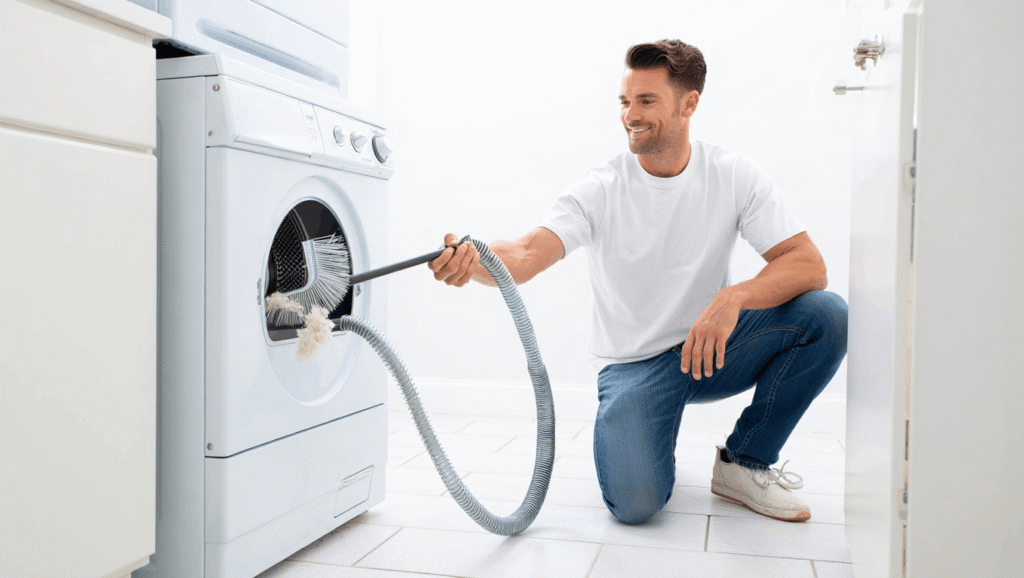
Clean the Dryer Vent
Never skip dryer vent cleaning. It is the number one cause of house fires from appliances. The lint buildup from a single year can reduce airflow by 30% and create a serious fire hazard.
Disconnect the dryer from the wall, pull it out, and disconnect the vent hose. Use a dryer vent brush or vacuum to clean out the hose and the wall duct. This takes 20 minutes and is one of the most impactful safety tasks on this list.
Check the Water Heater
Look for any rust, corrosion, or moisture around the base of the water heater. Flushing your water heater once a year removes sediment buildup that reduces efficiency and shortens the unit’s lifespan.
To flush it: connect a garden hose to the drain valve at the bottom, run it to a floor drain or outside, turn the cold water supply off, and open the drain valve until the water runs clear. It takes about 20 minutes and extends the life of a $1,000 appliance.
Fall Home Maintenance Checklist
Fall is the most consequential maintenance season after spring. Fall is your last window to prevent winter damage. Every task you skip now will either cost you more money in February or mean waiting five months in discomfort.
Service the Furnace or Heating System
If your furnace performs poorly or makes a weird noise, it might be time to call a professional. A pro can identify problems that can slow down your furnace’s total efficiency. Depending on where you live, a tune-up can cost anywhere from $70 to $200.
Schedule this in September, not November. HVAC companies fill up fast once the first cold snap hits, and waiting means paying emergency rates or going without heat while you wait.
Replace the furnace filter at the same time. Once you fire up your heater, remove the filter once a month and check it. Replace it every three months.
Clean the Gutters Again
This needs to happen after the leaves have fully fallen, not before. Once the leaves have fallen, clean your gutters. This prevents standing water from freezing in them and causing bigger problems once winter arrives.
Ice dams form when gutters are full — water backs up under shingles and finds its way into your attic and walls. It is one of the most expensive and disruptive water damage problems a homeowner can face.
Winterize Outdoor Plumbing
Insulate exposed pipes before the temperature drops below 32 degrees. Most hardware stores carry pipe insulation. Don’t forget to drain outdoor hoses and insulate exterior faucets.
Disconnect garden hoses from all outdoor spigots. A hose left attached holds water in the pipe and can cause the pipe to freeze and burst inside the wall — which you won’t discover until you see water damage months later. Frost-free spigots are not immune to this if the hose is still attached.
Inspect and Seal Windows and Doors
Check every window and exterior door for gaps, cracked caulk, and failed weather stripping. If you notice cold air around closed windows and doors, replace the weather stripping. For help finding drafts, carefully hold a lit candle along your windows, baseboards, and entryways. If the flame flickers, you’ve found a draft.
Air sealing is one of the most cost-effective energy improvements you can make. A $5 tube of exterior caulk can save $50 to $100 per season in heating costs, depending on how many gaps you seal.
Check the Chimney and Fireplace
Inspect your fireplace and chimney for damage and blockages. Shine a flashlight inside to ensure the chimney opens properly. Look for loose or broken components.
If you use your fireplace regularly, a professional chimney cleaning and inspection is worth doing every year. Creosote buildup is a fire hazard. A certified chimney sweep typically charges $100 to $200 and takes about an hour.
Reverse Ceiling Fan Direction
Most homeowners don’t know that ceiling fans have a reverse mode. In winter, running them clockwise at low speed pushes warm air that rises to the ceiling back down the walls and into the room. This can reduce heating costs noticeably in high-ceiling rooms.
The reverse switch is usually a small toggle on the side of the fan housing, or in the app for smart fans.
Stock Up on Winter Supplies
Stock up on winter supplies before you need them. This means ice melt for walkways, extra furnace filters, weatherstripping tape, a good snow shovel, and flashlight batteries. Buying these in October costs a fraction of what they run in January when supply is low.
Winter Home Maintenance Checklist
Winter maintenance is mostly about monitoring and preventing damage from cold, moisture, and reduced visibility of problems. There’s less to do in winter than other seasons, but the consequences of missing things are higher.
Check for Ice Dams on the Roof
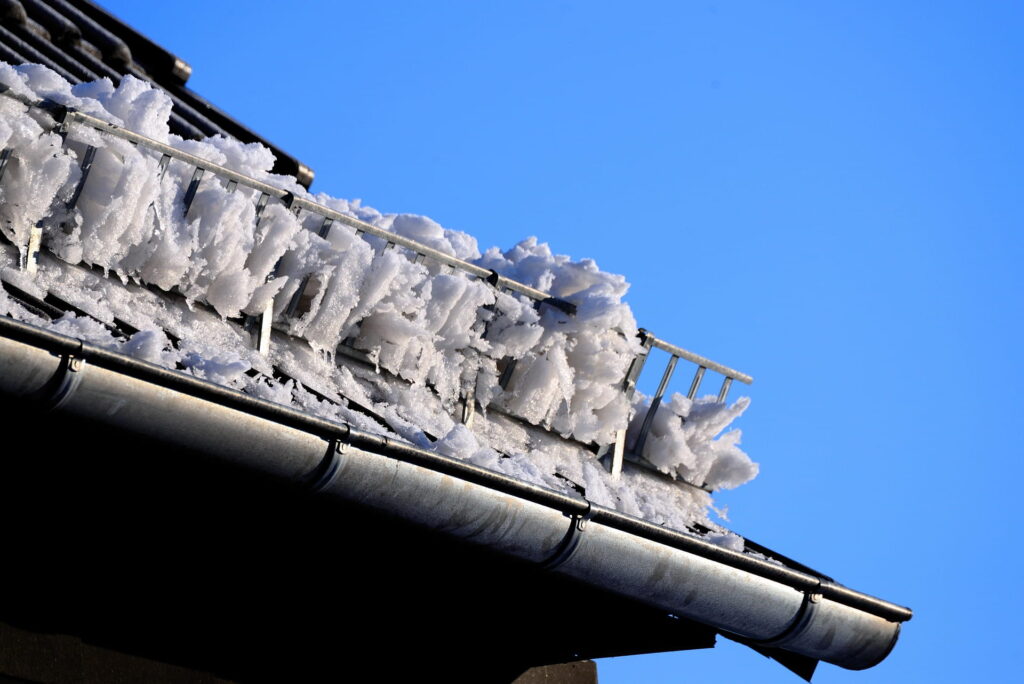
After a snowfall, walk around the house and look at the roof edges. Ice dams form when heat escaping from the attic melts snow on the upper roof, which then refreezes at the cold overhang. Over time they force water under shingles.
If you see thick ridges of ice at the roof edge, especially combined with icicles forming, you have an ice dam situation developing. A roof rake (a long-handled tool for pulling snow off a roof from the ground) can help clear snow before it has a chance to dam. Do not use a regular metal tool on the roof surface.
Inspect Attic and Basement Regularly
During the coldest months, go into the attic and basement once a month. Look for moisture, frost, water stains, or condensation. These are early warning signs of air leaks, insulation failures, or plumbing issues that are much cheaper to address before they cause visible damage.
In the basement, pay attention to the area around any pipes that run along exterior walls or through unheated spaces.
Protect Outdoor AC Equipment
Snow and ice can damage outdoor air conditioning units if they aren’t protected. Covers are available at most home improvement stores, but even a secured canvas tarp will do. If you use window AC units instead of central air, store them inside to protect them or wrap them in place until spring.
Test Smoke and Carbon Monoxide Detectors
This should happen every month, but winter is when it matters most. Heating systems running for the first time in months, fireplaces in use, and homes sealed tight against cold air create the highest-risk environment for carbon monoxide. Keep up with monthly checks of fire extinguishers, smoke detectors, and carbon monoxide detectors.
Replace batteries in every detector at the start of the heating season, even if the low-battery chirp hasn’t started.
Keep the Heat On When Traveling
If you leave for more than a few days in winter, do not turn the heat off entirely. Set the thermostat to at least 55 degrees. This prevents pipes from freezing in unheated areas of the home. Also ask a neighbor or friend to check on the house if you’re away for a week or more — a slow leak or furnace failure can do enormous damage if it goes unnoticed.
Monthly Tasks That Take Less Than 20 Minutes
Beyond the seasonal work, there are a handful of things worth doing every single month. None of these take more than 20 minutes combined.
A consistent monthly maintenance schedule makes long-term upkeep far more manageable. Check and replace HVAC filters. Test smoke and carbon monoxide detectors. Inspect plumbing under sinks for leaks. Look for signs of pest activity. Clean kitchen and bathroom exhaust fans. Run water in unused guest bathrooms to prevent stagnant plumbing.
The most important of these is the HVAC filter. It is the one task that, if skipped consistently, causes the most system damage over time.
What to Call a Professional For
Most of the tasks on this list are DIY-friendly. But a handful involve safety risks or require equipment and certifications that most homeowners don’t have.
Anything involving your roof, HVAC system, chimney, electrical panel, or foundation should be handled by a licensed professional. These carry safety risks, and most homeowner insurance policies require licensed work for coverage.
Schedule professional services early in each season. HVAC technicians, roofers, and chimney sweeps all book up fast when the seasons change. Calling in September instead of November for furnace service will save you both money and scheduling headaches.
How Much Does Home Maintenance Actually Cost Each Year
The average American homeowner spends between 1% and 4% of their home’s value on maintenance and repairs annually. For a $300,000 home, this means budgeting between $3,000 and $12,000 each year to cover unexpected repairs and regular maintenance tasks.
The gap between $3,000 and $12,000 is largely determined by how consistently you handle preventive maintenance. Skipping one season rarely causes immediate failure, but it compounds. Missing fall furnace service leads to winter breakdowns. Skipping spring gutter cleaning leads to summer water damage. Two missed seasons typically triggers a repair bill five to ten times the cost of the skipped maintenance.
The checklist above costs very little to follow. The cost of ignoring it shows up later and tends to arrive at the worst possible time.
FAQ
How long does it take to complete seasonal home maintenance?
For most homes, each season’s checklist takes two weekends — one for exterior tasks and one for interior. Some tasks like changing a filter or testing smoke detectors take under five minutes. The longer items, like power washing the deck or cleaning gutters, take a few hours. Spread across a season, it’s very manageable.
What home maintenance tasks are most often skipped?
Dishwasher maintenance is the most commonly neglected task, with 43% of homeowners not cleaning the drain or filter. Annual deep cleaning is also overlooked, with 41% failing to deep clean carpets. On the structural side, dryer vent cleaning and furnace filter replacement are the most frequently skipped tasks that carry real risk.
What happens if I skip seasonal home maintenance?
Small problems compound. A missed gutter cleaning leads to ice dams which lead to water damage in the walls. A skipped furnace tune-up leads to a breakdown in January. The cost of catching up after skipping maintenance is typically much higher than the cost of the maintenance itself. Emergency repair rates are also significantly higher than scheduled service rates.
Should I do a home maintenance checklist if I rent out my property?
Yes, even more so. Rental properties accumulate wear faster with multiple occupants, and landlords are legally responsible for maintaining habitable conditions. HVAC service, smoke detectors, and plumbing checks should be done at least annually regardless of whether tenants report issues.
Do I need a professional for all HVAC maintenance?
Not all of it. Filter replacement is something any homeowner can do monthly. Annual professional HVAC servicing ensures the system runs efficiently and catches potential problems before they become costly repairs. Regular servicing also extends the lifespan of the system and keeps energy bills lower. Changing the filter yourself is free. A professional tune-up runs $75 to $150. Both are worth doing.
Is fall or spring more important for home maintenance?
Both matter, but for different reasons. Spring is about assessing and repairing winter damage before it gets worse. Fall is about preventing winter damage from happening in the first place. If you can only do one season thoroughly, fall tends to have the higher stakes — especially in climates with hard winters.
How do I know if a crack in my foundation is serious?
Small vertical hairline cracks are common and usually just settling. Horizontal cracks or stair-step patterns in brick may indicate structural movement and need professional evaluation. Any crack wider than an eighth of an inch, any crack that is growing over time, or any crack where the two sides are at different heights should be assessed by a foundation specialist.
How often should gutters be cleaned?
Most homeowners need to clean gutters at least twice a year — spring and fall. If you have large trees overhanging your roof, you may need to clean them three or four times a year. Gutter guards help but do not eliminate the need for cleaning entirely — fine debris still accumulates over the guards and eventually clogs the downspouts.